Beyoncé goes country: exposing the genre’s hidden Black history
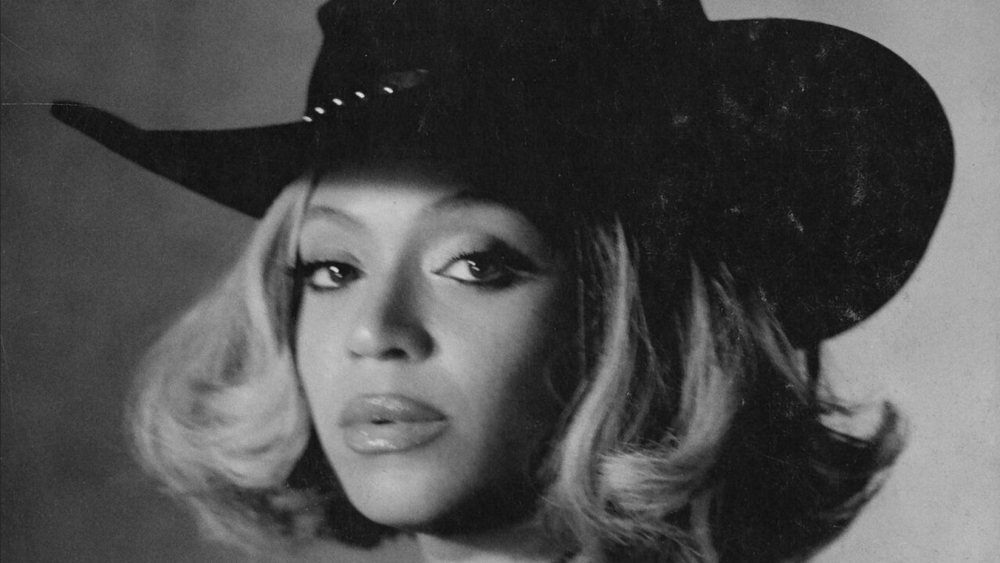
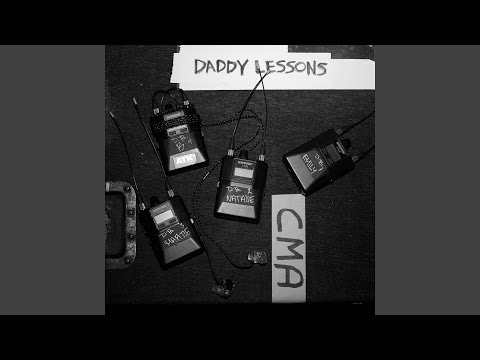
Beyoncé Knowles-Carter stands poised at the epicenter of popular culture, an unmatched force who has dominated music for over two decades with her brand of fiercely confident R&B anthems belted by a once-in-a-generation voice. But in 2016, she caught many by surprise when she veered into country territory. With “Daddy Lessons,” a foot-stomping track off her album “Lemonade” that meshes trap beats with banjo riffs, the global superstar ventured beyond her trademark sound to showcase a side of American music brimming with complexity.
On its surface, Beyoncé’s amalgamation of two disparate genres was an audacious creative choice. But peek beneath country music’s contemporary flash, and you’ll discover Beyoncé was tapping into a hidden history: Black artists’ immense, overlooked contributions to shaping country’s origins and sounds. The genre we’ve seen through the lens of white working-class traditions is steeped in African-American influences, from the banjo — an instrument with distinctly African roots — to the techniques and innovations that Black musicians contributed to molding country’s foundations centuries ago.
With “Daddy Lessons,” Beyoncé thrust elements of this concealed backstory into popular consciousness. And now, she’s digging deeper: Her forthcoming album, “Act II,” is expected this March. The album reportedly incorporates even more country textures and allusions to the genre’s Black ancestry. As Beyoncé delves further into country, she’s exposing truths that have long gone underappreciated about American music’s complex lineage. Her bold foray illuminates country’s multilayered history while challenging our culture’s practice of compartmentalizing art along racial lines.
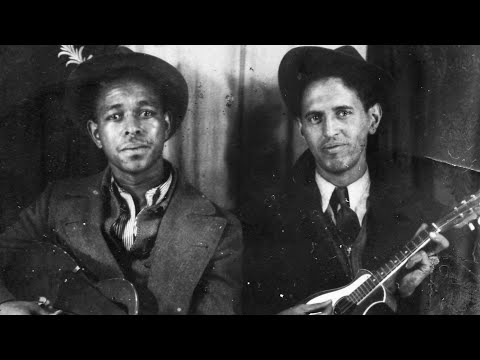
At the dawn of the 20th century, the early commercial country music that became wildly popular owed much to Black musicians like Arnold Shultz, an innovative guitarist who profoundly shaped Bill Monroe’s signature “high lonesome” bluegrass sound, and Lesley Riddle, who influenced the Carter Family hits that still permeate country radio.
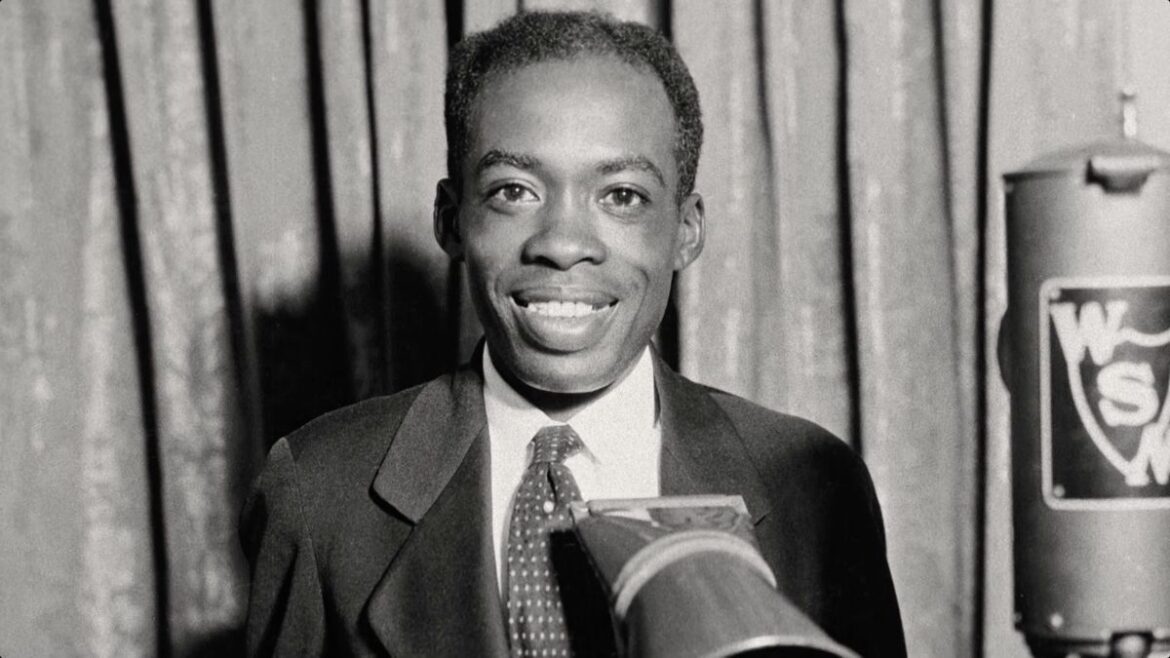
DeFord Bailey
DeFord Bailey, the first Black star of Nashville’s heralded Grand Ole Opry stage, enthralled audiences with harmonica wizardry that embodied country blues. His sudden firing from the Opry in 1941 remains a stain on country music; the genre soon closed ranks along color lines even as black artists profoundly shaped sounds emanating from Southern studios, Austin honky tonks and California’s Bakersfield scene. By whitewashing country’s vibrant multicultural origins in the mid-20th century, the industry robbed pioneers like Arnold Shultz and DeFord Bailey of deserved recognition even as it denied future Black artists avenues onto charts and major stages. This brutal legacy haunts country music to this day.
But the tide may slowly be turning. Mickey Guyton raised her profile with “Black Like Me,” a powerful, intimate rumination on feeling like an outsider in predominately white country spaces. Her Grammy nomination last year for the song was a hard-fought acknowledgment of Black voices within the genre. Meanwhile, Kane Brown, Jimmie Allen, Valerie June and rising singer Brittney Spencer are among those bringing fresh R&B textures to country.
Beyoncé is not traditionally viewed as a country artist; her music resides far outside Music Row’s formulaic constraints. Perhaps that makes her exploration of country’s heritage all the more compelling — an icon of Black artistry is reconnecting country with its forgotten past. Her work alongside Greensboro singer-songwriter Rhiannon Giddens, a brilliant contemporary artist focused on unearthing country and folk’s hidden Black lineages, feels rich with symbolic purpose. As Giddens’ banjo accompanies Beyoncé invoking timeless country imagery amid s historical allusions to the Great Migration, one of the largest internal movements of people in American history, when over six million African Americans fled economic oppression and racial terror in the South for hopes of better opportunity elsewhere.
With characteristic ambition, Beyoncé seems intent on probing open country music’s wounds to provoke long-overdue healing. Her music demands we reckon with human stories encompassing thorny truths, loss, resistance, retribution, solidarity, transcendence and joy. Part of country’s essence, after all, lies in its biracial birth during slavery’s terror: a shared culture forged through unspeakable brutality alongside the resilient and revolutionary act of Black people retaining and remaking music across continents and centuries.
Beyoncé isn’t the first Black artist to don a cowboy hat or pick up a banjo; far from it. But her status as this generation’s preeminent entertainer gives her the cultural cachet to command an audience and steer the mainstream conversation. As Beyoncé ventures down country roads, whether a stylistic move or artistic mission, she’s shining fresh light on a misunderstood legacy while unraveling assumptions about American music’s roots. Can a pop idol spur country to reconcile its racial ruptures? Beyoncé seems determined to find out, and her music demands we tune our ears to long-submerged stories as she attempts country’s next bold remix.
Beyoncé’s “Daddy Lessons” brought the banjo blazing into cultural consciousness through an unlikely source: one of music’s reigning global superstars. Her collaboration with folk luminary Rhiannon Giddens takes on additional resonance in light of the banjo’s history. An indispensable pillar of country’s instrumental canon, the banjo originated from African lutes and gourd instruments like West Africa’s akonting and the ngoni, associated with the Jola ethnic group. The story of how an ancient African chordophone evolved into a signature of white Appalachian identity reveals volumes about America’s unexamined cultural lineage.
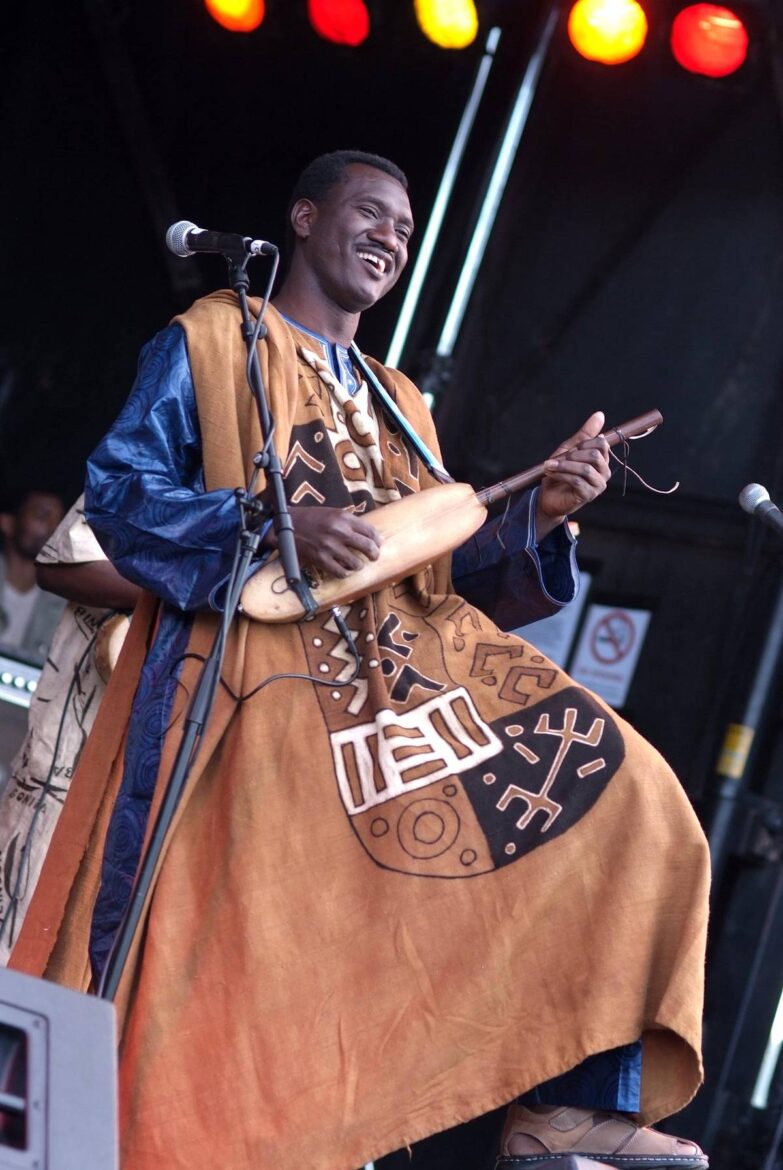
Musician playing the Ngoni
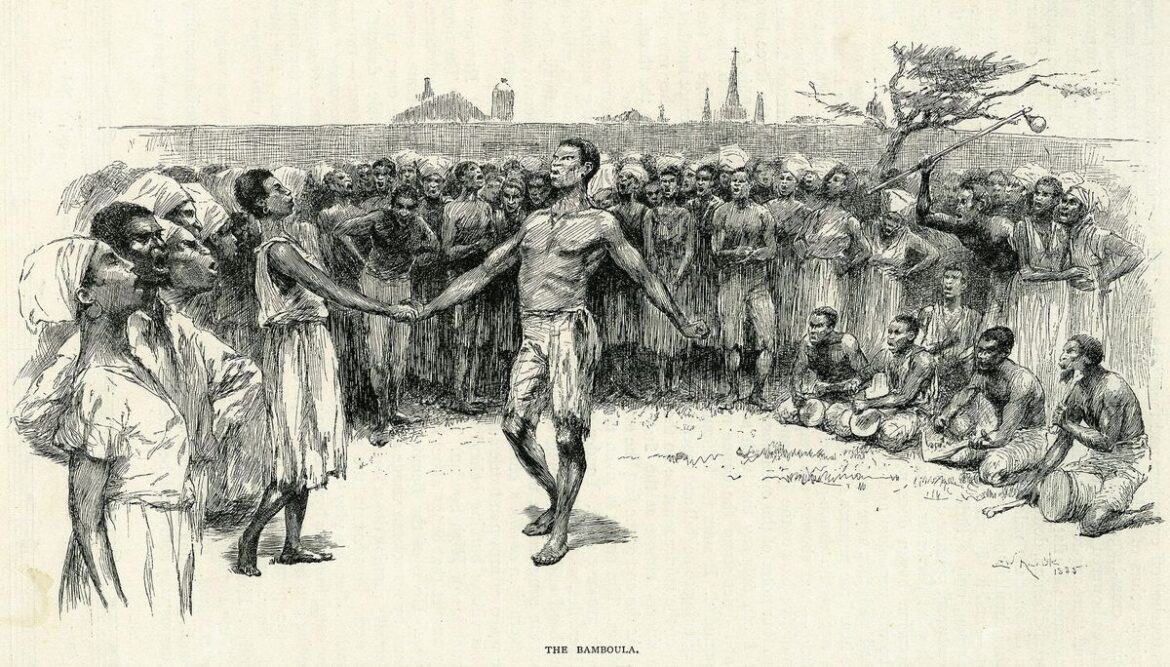
Brought by enslaved people to the colonized Caribbean, early banjos, known as the “banjar” or “bangie” provided solace and stirred solidarity amid the unfathomable cruelty of plantation bonds. Often fashioned with carved gourds and animal hide by those in captivity, these rudimentary banjos anchored musical rituals and ancestral dances that nurtured spiritual survival and resistance under the infinite weight of human atrocities. Though the details are lost to time, we know the essential elements: Black musicians forging community around melody and rhythm’s mystical power. These early troubadours lit a flame of perseverance and propagation that still guides the banjo.
By the 1800s, the banjo assumed a contradictory position straddling white appropriation and black resilience. Minstrel performers in blackface fueled a national “banjo craze” by exploiting racist stereotypes; they adopted African-derived instrumentation to peddle demeaning portrayals before widespread (white) audiences, further entrenching pernicious prejudice in the cultural fabric.
Yet even as minstrelsy’s toxic influence spread, Black musicians clung to the banjo in sanctified Southern spaces like Congo Square while injecting life into early folk and country sounds incubating in rural barns where string bands echoed raucous rhythms and dazzling fingerwork into the night. The slave experience etched itself into America’s musical DNA as African memories transmuted into malevolent cultural caricature and wellspring inspiration for emerging genres.
Congo Square, New Orleans
Modern listeners unaware of the banjo’s complex journey could reasonably conclude the instrument originated from rural antiquity with no meaningful connection to African roots. Rhiannon Giddens refuses to let the world forget. As Beyoncé now demonstrates through their duet’s symbolic resonance, Giddens has devoted herself to resurrecting shadows of forgotten musical pioneers. Her work reflects the banjo’s contradictory past — an instrument of violence and liberation, prejudice and pluralism. With knowledgable reverence, she coaxes lost stories out of old
Contemporary Black artists are carving out a significant space in country music, building on the legacy of their predecessors and shaping the genre’s future with their diverse influences and innovative sounds. These artists are challenging genre boundaries and embracing a country style that is fluid and dynamic, blending traditional country elements with contemporary Black influences, including hip-hop, trap, and R&B.
Jimmie Allen and Kane Brown
Jimmie Allen and Kane Brown are pop-friendly singers who consistently top country charts and win prestigious music awards and nominations. Their success is a testament to the evolving landscape of country music, where Black artists are gaining recognition and challenging the status quo[1].
Willie Jones, Rvshvd, and Breland
Young artists such as Willie Jones, Rvshvd, and Breland are carrying forward the inventive spirit that Ray Charles celebrated in 1962 with his album “Modern Sounds in Country and Western Music.” These musicians are leaning into playful, heterogeneous new sounds, establishing their place in one of country music’s oldest traditions. Tracks like Lil Nas X’s “Old Town Road,” Blanco Brown’s “The Git Up,” and Breland’s “My Truck” have shown audiences that Black country-influenced hits can resonate widely[1].
Coffey Anderson, Chapel Hart, and Reyna Roberts
Coffey Anderson, star of Netflix’s “Country Ever After,” Chapel Hart, known for their tender harmonies with a rock tinge, and Reyna Roberts, who belts out tunes with full-throttle confidence, are among the Black artists who have enjoyed attention from mainstream press. These artists are introducing new sounds and ideas to the genre, continuing the innovation set in motion by pioneers like Ray Charles[1].
Mickey Guyton
Mickey Guyton, who released “Black Like Me” in response to the death of George Floyd, has been a notable trailblazer as an advocate for diversity in the country music industry. Her Grammy-nominated single and her heartfelt lyrics and captivating, soulful sound have made her a powerful voice in country music.
Darius Rucker
Darius Rucker, known for his warm baritone vocals, is a crossover success who has made a significant impact in country music following his time with Hootie & the Blowfish. His country album “Learn to Live” and his cover of “Wagon Wheel” have been particularly successful, earning him a Grammy and solidifying his place in the genre.
Valerie June, Allison Russell, and Brittney Spencer
Valerie June, Allison Russell, and Brittney Spencer are Black female country artists gaining well-deserved notoriety today. They bring a mix of folk, blues, gospel, and pop country to their music, expanding the genre’s horizons and challenging its traditional boundaries.
These contemporary Black artists in country music are continuing the legacy of those who came before them and forging new paths and ensuring that the genre remains a vibrant and inclusive space for all musicians. Their contributions are a reminder of the genre’s roots and a beacon for its future.
Conclusion
In the rich tapestry of American music, the contributions of Black artists to the country and bluegrass genres are profound and deeply rooted in history. Beyoncé’s exploration into country music with “Daddy Lessons” and her collaboration with Rhiannon Giddens on “Texas Hold ‘Em” are contemporary manifestations of a long-standing tradition of Black musicianship that has shaped these genres from their inception. With its origins in West Africa, the banjo serves as a poignant symbol of this legacy, its journey from African lutes to a staple of American roots music illustrating a story of cultural synthesis, resilience, and survival.
As we delve into the history of country and bluegrass music, it becomes clear that these genres, often perceived as predominantly white, owe a significant debt to Black innovation and creativity. From the pioneering “thumb style” guitar technique of Arnold Shultz to the Negro spirituals transcribed by Lesley Riddle for the Carter family, Black musicians have played an integral role in the development of these genres. Contemporary artists like Mickey Guyton, Kane Brown, and Jimmie Allen continue to enrich country music, drawing from its rich heritage while pushing the genre in new directions.
The collaboration between Beyoncé and Rhiannon Giddens highlights the genre’s Black musical roots and underscores the importance of acknowledging and celebrating the multicultural heritage of country music. As we honor Black History Month, it is crucial to recognize the foundational role of Black artists in creating and evolving country and bluegrass music. Their contributions, from the banjo’s African origins to the shaping of the genre’s sound and storytelling, are a testament to American music’s rich, multicultural tapestry.
Spotify Playlist
This playlist celebrates Black artists’ rich and often underrecognized contributions to the country music genre. Throughout history, Black musicians have played a crucial role in shaping the sound and soul of country music, from the blues-infused melodies of the early 20th century to the genre-blending hits of today. Artists like Charley Pride, one of the first Black superstars in country music, and DeFord Bailey, the “Harmonica Wizard” who became the Grand Ole Opry’s first Black star, paved the way for future generations.
Contemporary artists such as Mickey Guyton, Kane Brown, and Darius Rucker continue to break barriers and bring diverse perspectives to country music. This playlist not only showcases the talents of these artists but also honors the legacy of Black musicians who have enriched the genre with their unique voices and stories. It’s a celebration of resilience, creativity, and the enduring impact of Black artists in country music, reflecting a journey of triumph, challenge, and profound influence.
This article was written with assistance from Perplexity AI.