The Wisconsin State Assembly marked a significant milestone by formally recognizing February 2025 as Black History Month, passing the resolution during Black History Month for the first time since 2020. The Assembly voted unanimously to honor distinguished Black Wisconsinites for their contributions to the state and nation.
Among those recognized was Elisterine Clayton, a 100-year-old Milwaukee resident who, alongside her husband Powell Clayton, helped establish the historic Halyard Park community and operated grocery stores in underserved neighborhoods1. Paul Higginbotham was honored as the first African-American judge to serve on the Wisconsin Court of Appeals, appointed by Governor James Doyle in 2003.
The resolution also celebrated Marcia Anderson from Beloit, who made history as the first African-American woman to become a major general in the United States Army Reserve. Dr. William Rogers was recognized for his contributions to the Black Radio Network and African studies education.
Other honorees included Anthony McGahee, a celebrated gospel musician and choir director who has led “Anthony McGahee and Praise Motivated” for over 27 years. Shakita LaGrant-McClain was acknowledged for her leadership as executive director of the Milwaukee County Department of Health and Human Services.
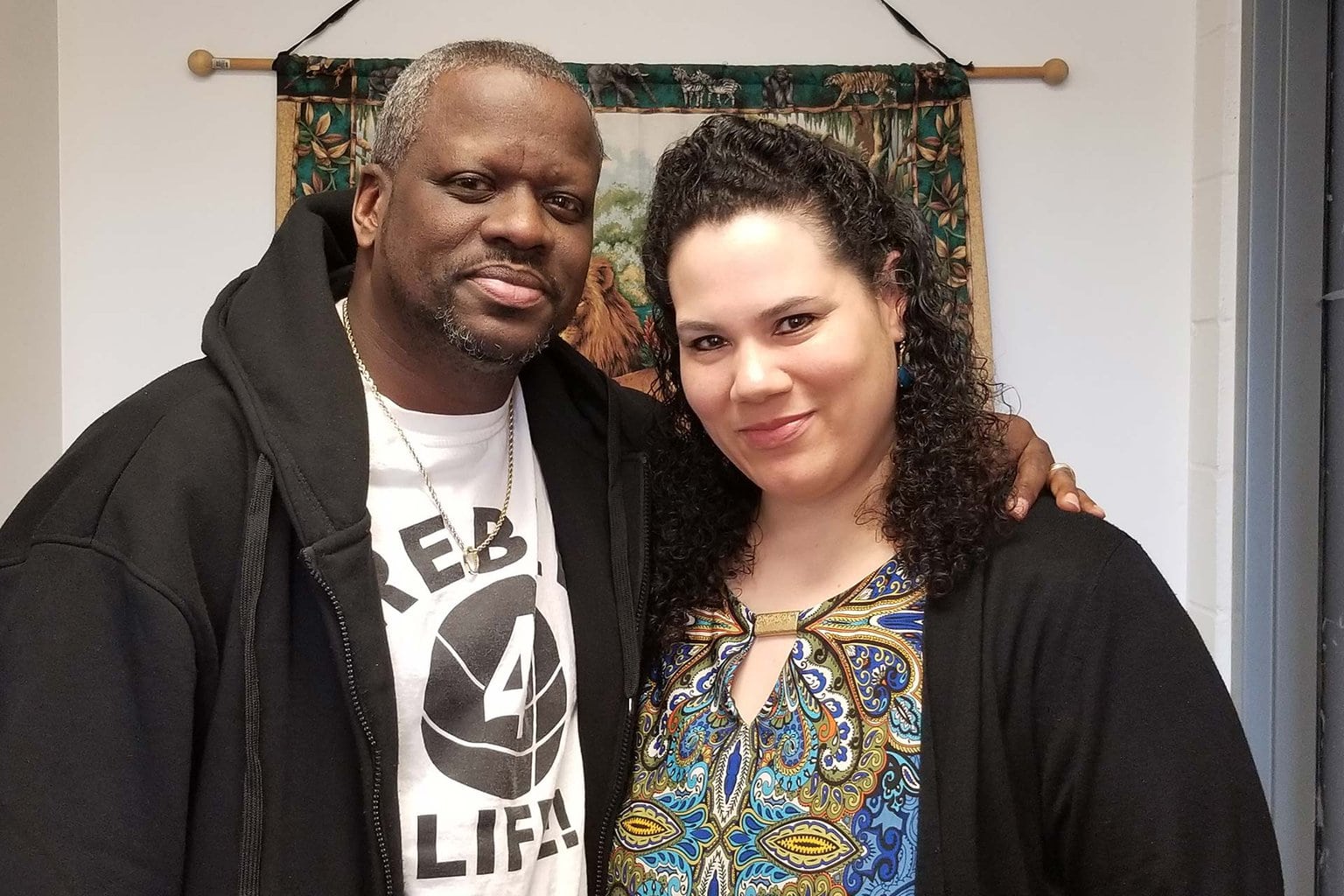
Victor and Dawn Barnett were recognized for their work with the Running Rebels Community Organization, which serves over 2,500 youth annually. The resolution also honored Gloria Rogers for her community advocacy work, Minnie L. Harmon for her mentorship and faith-based initiatives, and Dr. Jeanette Mitchell for founding several leadership development programs.
Fred Reed, a former NAACP Youth Council Commando member, was celebrated for his civil rights work. Anna Mae Robertson, a World War II veteran who served in the groundbreaking 6888th Central Postal Directory Battalion, and Dr. Dora L. Clayton-Jones, the first African-American pediatric nurse practitioner in Wisconsin to be inducted into the Academy of Nursing, rounded out the distinguished honorees. The state Senate’s response to the resolution remains pending.
The Assembly’s recognition of Black History Month comes amid significant changes in diversity, equity and inclusion initiatives across Wisconsin and the nation. The Universities of Wisconsin recently struck a deal with Republican legislators to limit DEI efforts in exchange for $800 million in state funding, requiring a freeze on DEI position hiring through 2026 and the shifting of at least 43 diversity positions to focus on “student success”.
At UW-Oshkosh, the Campus Center for Equity and Diversity building is being sold and its programs relocated to a central campus location under the rebranded name “Center for Student Success and Belonging”. UW-Madison also recently demoted its chief diversity officer amid concerns about financial operations8.
The changes in Wisconsin mirror a broader national trend. According to recent surveys, approximately one in eight companies plan to eliminate or reduce their DEI programs in 2025 due to political climate changes, economic pressures, or perceived lack of return on investment. This follows President Trump’s recent executive orders directing federal agencies to terminate DEI programs and identify potential investigations of large organizations regarding their diversity initiatives.