As early voting commences for Wisconsin’s April 1 elections, Black Milwaukeeans face a consequential decision not only in the Supreme Court race but also in selecting the state’s next education leader. This choice will shape classroom equity for a generation. The simultaneous battles over the voter ID constitutional amendment and state superintendent leadership have created a perfect storm of policy decisions directly impacting Wisconsin’s largest Black community.
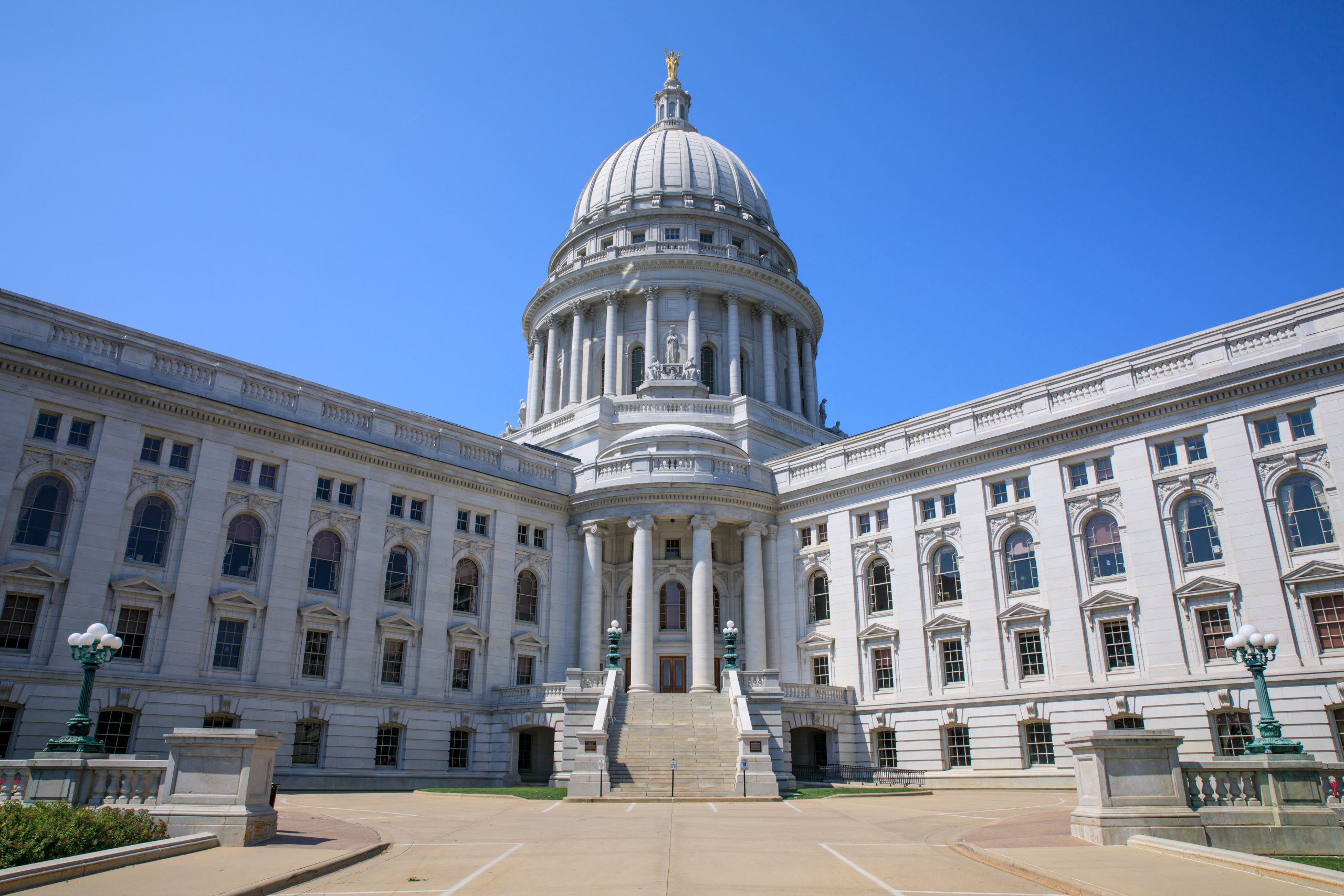
The Wisconsin Supreme Court contest between Republican-backed Brad Schimel and Democratic-supported Susan Crawford has quickly become the most expensive court race in U.S. history, with spending reaching $59 million. This unprecedented financial investment underscores the race’s significance in a state where razor-thin margins have decided recent elections.
Since the court flipped to liberal control in 2023, it has struck down Republican-drawn legislative maps and reinstated absentee ballot drop boxes. For Black Milwaukee residents, who comprise about 38% of the city’s population, the court’s direction will influence how it addresses voting rights, public education funding, and affordable housing in coming years.
The race has become increasingly partisan, with Schimel accepting direct financial support from the Republican Party—a strategy his conservative predecessor avoided in 2023. One of Schimel’s biggest backers, Elon Musk, has described the stakes in stark terms, calling the court’s current liberal majority the “most dangerous body in state government” and framing the election as a battle between good and evil, according to a recent article from Wisconsin Public Radio.
Beyond abortion rights, the candidates differ on several issues important to Black Milwaukeeans. Crawford has expressed support for voting access, including maintaining drop boxes and early voting opportunities that have historically increased participation in Black communities. Schimel has advocated for stricter election security measures, including support for the voter ID constitutional amendment, which is also on the April 1 ballot.
The Wisconsin Supreme Court has several pending cases that could significantly impact Black Milwaukeeans. The court has heard a challenge to the state’s 1849 abortion ban but has yet to issue its ruling. While abortion may not be exclusively a Black community issue, research shows that restrictions disproportionately affect women of color. Cases related to public sector unions, voting rules, and congressional district boundaries are likely to come before the court in the future.
The State Superintendent Contenders: Divergent Visions
The contest for Wisconsin’s top education position features incumbent Jill Underly facing challenger Brittany Kinser, following Jeff Wright’s elimination in the February primary. Their differing approaches to education policy could significantly impact Black students in Milwaukee, where academic achievement gaps remain the most severe in the nation.
Jill Underly: Defending Equity Amid Criticism
Incumbent Superintendent Jill Underly, who has led the state’s public school system since April 2021, has positioned herself as a defender of diversity, equity, and inclusion initiatives in Wisconsin schools. During her State of Education Address, she emphasized that curriculum reflecting diversity is not political but a statement of fact.
For Black students, Underly’s administration has focused on securing $4 billion in additional state aid for public schools, prioritizing districts like Milwaukee Public Schools, where 91% of students are non-white. She advocates for universal free breakfast and lunch programs, arguing that such initiatives help with mental health and achievement.
Underly has also emphasized expanding access to early childhood experiences and full-day 4K and afterschool programs as priorities that would benefit Black students who disproportionately lack access to these resources.
However, Underly has faced significant criticism for handling Milwaukee Public Schools’ challenges. Her controversial decision to revise proficiency standards has drawn criticism, with opponents claiming she lowered standards to mask poor performance. Underly has firmly rejected this characterization, stating that the accusations are untrue and that her administration raised standards in math and science while implementing additional standards in career and technical education.
Brittany Kinser: Demanding Accountability and Higher Standards
Challenger Brittany Kinser has made Milwaukee’s education crisis the centerpiece of her campaign. With 25 years of experience in education, including as a special education instructor, Kinser has positioned herself as an agent of change who will prioritize basic skills and accountability.
Kinser has expressed frustration about recent NAEP results showing only 5% of Black students are proficient in reading and math, with only three out of ten statewide meeting proficiency standards.
According to a February article in the Milwaukee Community Journal, Kinser has extensive experience working with diverse communities, particularly African American students. She previously led Milwaukee’s Rocketship schools, which have reported higher math proficiency than MPS averages. Her initiative, “95 Wisconsin,” aims to address the reading crisis by supporting educators in teaching students to read skillfully.
Kinser advocates returning to phonics-based reading instruction, arguing that the shift away from this approach has contributed to declining literacy rates, particularly among Black children in Milwaukee. She maintains that phonics works and has proven results.
She has also emphasized parental involvement as essential to student success. At Rocketship, Kinser implemented strategies to achieve 85% parental participation in conferences and educational processes, compared to under 20% in MPS. These approaches included door-to-door visits and scheduled communications with families.
In the Milwaukee Community Journal article, Kinser declared that the real problem isn’t vouchers but illiteracy. She supports educational options while focusing on fundamental skills.
Educational Apartheid: The Data Driving Discontent
The stakes are highlighted by troubling data showing just 9% of Black fourth-graders proficient in reading compared to 40% of white peers, along with significant funding gaps between MPS and neighboring suburban districts. These disparities persist despite $1.2 billion in recent federal and state investments.
Brenda Cassellius’s February hiring as MPS superintendent adds another dimension. The former Boston schools chief brings experience in closing racial achievement gaps but faces challenges that depend heavily on state-level support and policy direction.
The Voter ID Amendment: Hidden Education Impact
The constitutional amendment to enshrine Wisconsin’s voter ID requirement in the state constitution carries significant implications for education funding that many voters might overlook. Currently placed on the April 1 ballot alongside the Supreme Court and state superintendent races, this amendment would elevate Wisconsin’s existing photo ID requirement from state law to constitutional status, making it more difficult for future legislatures or courts to modify. While Wisconsin has required voter ID since 2011, enshrining it in the constitution would protect it from potential judicial reversal by the liberal-majority Supreme Court that has been in place since August 2023.
For Black Milwaukee communities, the amendment’s impact extends beyond election security debates into concrete education funding concerns. Critical school referendums that determine MPS funding levels typically succeed or fail on razor-thin margins – the 2024 referendum that secured $252 million in essential funding for Milwaukee Public Schools passed by just 1,720 votes. Research from voting rights organizations indicates that Milwaukee’s Black voters may be twice as likely to lack photo ID compared to white voters, potentially affecting turnout in these crucial school funding decisions.
While the Republican-backed Wisconsin Institute for Law & Liberty (WILL) released a March 2025 report claiming voter ID has not suppressed overall turnout or disproportionately impacted minority communities, critics maintain these requirements create unnecessary barriers. Democratic opponents argue the constitutional amendment could disproportionately affect marginalized groups, including people of color, individuals with disabilities, and low-income citizens.
The SAVE Act, similar in concept to Wisconsin’s constitutional amendment but proposed at the federal level, illustrates the potential consequences of stricter voter ID requirements. Studies show that nearly 9% of voting-age African Americans lack access to birth certificates and passports, compared to 5.5% of white Americans.
How to Vote: Options for Black Milwaukee Voters
Early Voting (Available Now)
Early voting takes place from March 18, through March 29; Milwaukee residents can vote early in person at nine designated locations:
Bring an acceptable photo ID (Wisconsin driver’s license or state ID, U.S. passport, or student voter ID)
Find their polling location at myvote.wi.gov
Note that out-of-state IDs cannot be used for voting
Voter Registration
For those not yet registered:
Same-day registration is available at polling places on Election Day with proof of residence
Registration at municipal clerk offices is available until March 28, 2025
Organizations like Souls to the Polls provide free rides to Milwaukee voters during early voting and Election Day. At the same time, the Wisconsin Disability Vote Coalition offers resources for voters with disabilities.