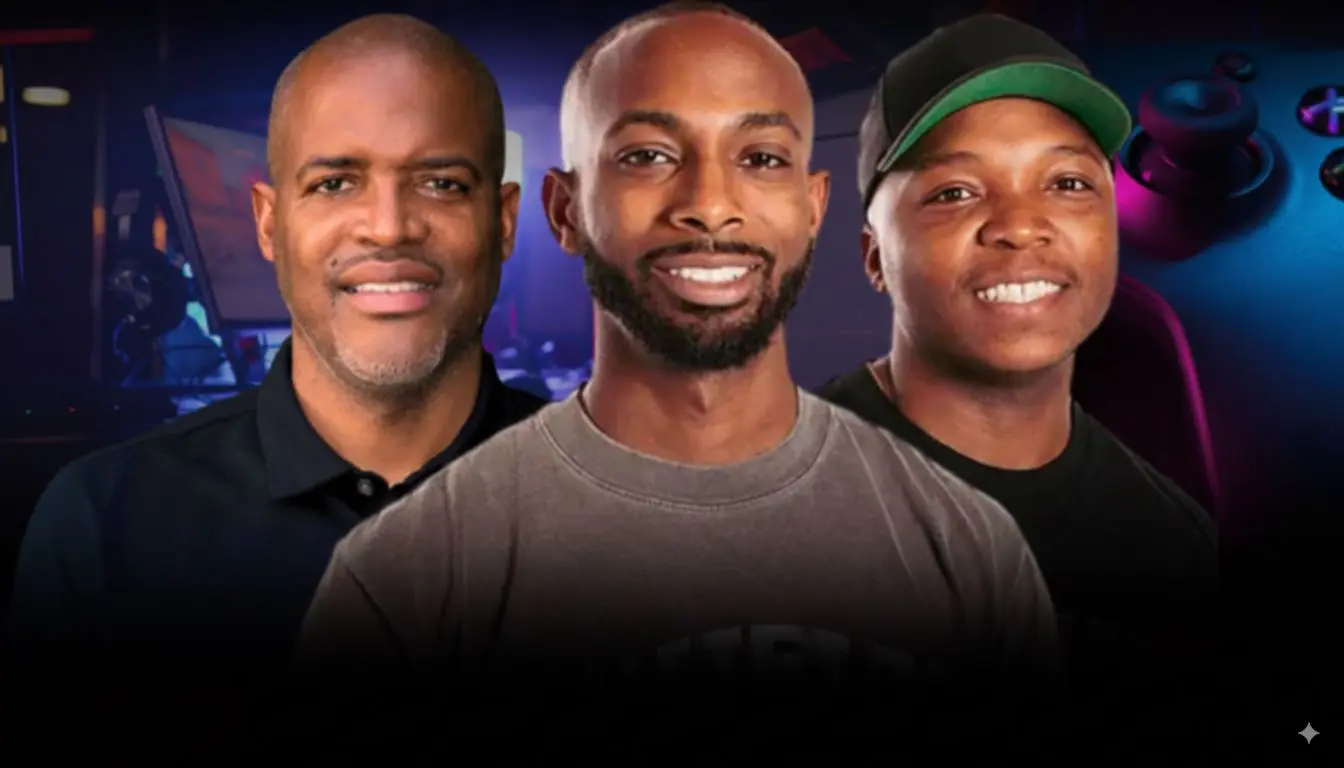
Live Nation Urban has made a six-figure strategic investment in Cxmmunity Media, the Atlanta-based, Black-owned entertainment and events company behind the HBCU Esports League and creator-driven culture festivals. The capital, delivered through the Black Lily Capital Investment Fund, is intended to expand Cxmmunity’s content pipeline, scale large-format activations such as The Kickback and Atlanime, and deepen philanthropic work through The Cxmmunity Foundation, which focuses on access to careers in gaming, esports and digital entertainment for emerging talent.
What is Live Nation Urban — and why this partnership
Live Nation Urban is a division of Live Nation led by president Shawn Gee. The unit specializes in building platforms, festivals and original live experiences centered on Black music and culture — notably hip-hop, R&B and gospel — and in developing content strategies that authentically reach those audiences. Established in 2017, its stated goal has been to better serve genres and fans historically underrepresented on the mainstream festival circuit by creating new, artist-aligned live platforms. In recent years the division has broadened its remit beyond concerts with initiatives like the Live Nation Urban Creator Network, aimed at connecting brands and opportunities to a large community of Black creators, and with the Black Lily Capital Investment Fund, which backs Black entrepreneurs in entertainment — the vehicle used for the Cxmmunity deal.
In announcing the investment, Gee framed the move as a bet on “next-generation media” at the intersection of gaming, technology and culture, saying the fund’s mission is to strategically support companies like Cxmmunity with resources to grow. Cxmmunity founder and CEO Ryan Johnson called the partnership “defining,” pointing to opportunities to scale live events, widen access to world-class talent and leverage first-party data to shape more meaningful cultural experiences.
A throughline from Cxmmunity’s origins to the new funding
Cxmmunity’s model and mission track closely with what Johnson laid out in our 2021 “Diverse Disruptors” interview. He described recognizing a resource gap at the school level — “schools that can afford the PCs can have the esports team” — and a broader representation gap between how often Black students play games and how rarely they appear in decision-making roles across the industry. The pandemic sharpened those inequities, pushing the organization to focus first on basic access (“step zero”) so students could even participate in virtual learning. That urgency produced the “Tech for COVID” effort on Twitch, which drew corporate partners and reached more than 250,000 people across its first streams — early proof that community-led broadcasts could knit together access, audience and opportunity.
From there, Cxmmunity formalized the HBCU Esports League with Twitch; the broadcasts brought visibility while the organization built an adjacent pipeline of internships, curriculum and industry exposure so students could see dozens of career paths beyond competition alone. That end-to-end approach — lowering the first barrier to entry, then widening the lane into the broader $165 billion gaming economy — is what Live Nation Urban’s capital and platform now aim to accelerate at scale.
What the deal enables
Bigger creator-centric shows: Funding and operational support to grow tentpoles like The Kickback (gaming, education and a concert under one roof) and Atlanime (anime, cosplay, gaming and music), aligning with Live Nation Urban’s focus on culturally specific, artist-aligned live experiences.
More content and distribution: Expanded production around HBCU Esports League programming and related series, with Live Nation Urban’s network helping to bring artists, influencers and brands into Cxmmunity’s formats.
Stronger entry points into careers: Direct support for The Cxmmunity Foundation’s mission to increase access and long-term opportunities in gaming, esports and digital media for students of color.
Those moves echo the arc Johnson outlined on our show: start by removing basic access barriers, use community-led broadcasts to aggregate audience and opportunity, and convert that momentum into internships, curricula and paid pathways across the industry.